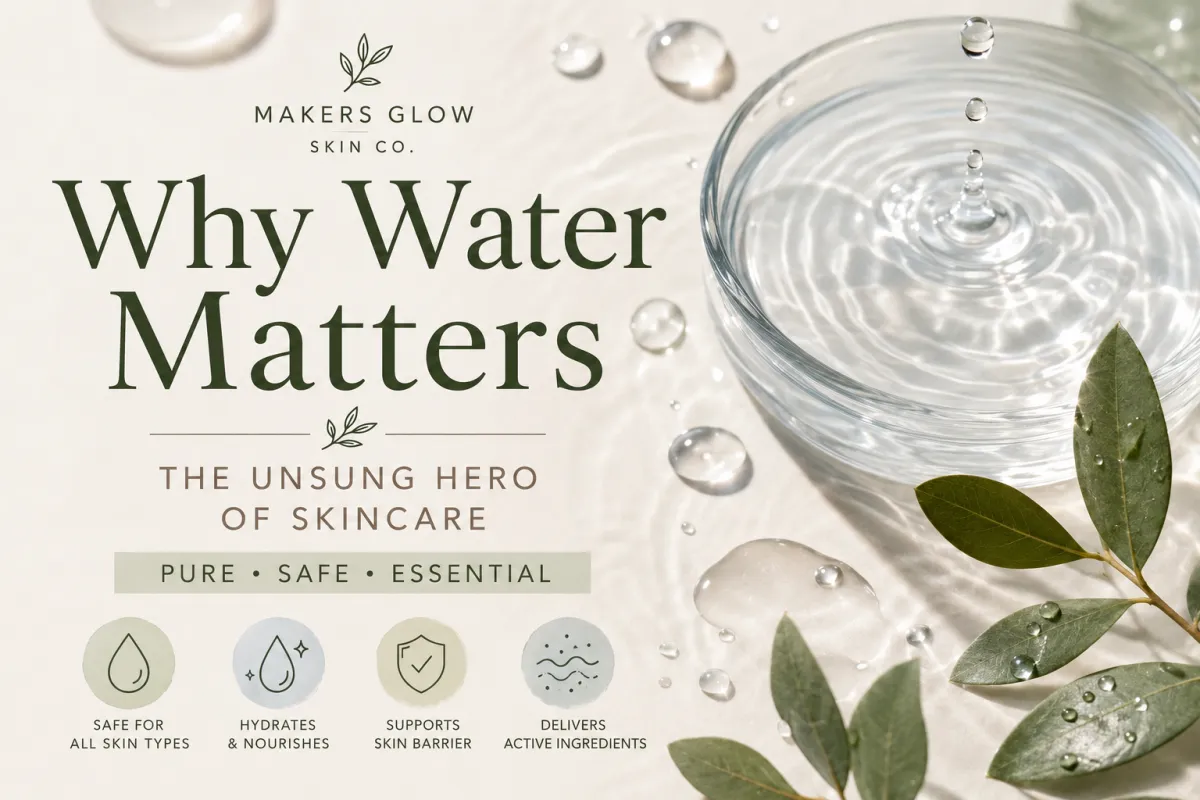
Why Water (Aqua) Is the First Ingredient in Your Skincare: Safety, Benefits, and the Science Behind It
When you flip over your favorite moisturizer or serum, you'll often see "aqua" or "water" listed as the very first ingredient. But have you ever wondered why water is so prominent in skincare formulas, what kind of water is used (purified, distilled, or tap), and most importantly - is water safe in skincare? This comprehensive how-to guide walks you through everything you need to know about water's essential role in skincare, its safety, and why purified water is the industry gold standard. Along the way, we'll naturally address related questions, such as the effects of water quality on skin, the difference between purified and tap water for cosmetic use, and how water-based skincare products contribute to hydration and efficacy.
Step-By-Step Guide: Understanding Water in Your Skincare Products
1. What Does "Aqua" Mean on Skincare Labels?
You'll see "aqua" (the INCI term for water) topping most ingredient lists because water acts as the primary solvent and carrier in cosmetic formulations. It dissolves other water-soluble actives - think hyaluronic acid and vitamin C - and ensures even distribution of these beneficial ingredients across your skin.
2. Why Purified Water Is Used in Skincare Products
Not all water is created equal. Cosmetic manufacturing uses purified water (sometimes called deionized or distilled water), which has been filtered to remove minerals, microbes, and contaminants that might otherwise irritate the skin or impact product stability. This water meets strict industry standards.
3. Is Water Safe in Skincare?
The short answer is yes: purified water is considered the safest and most fundamental skincare ingredient. It's non-irritating, compatible with all skin types, and forms the base for most daily-use cosmetics worldwide.
Related safety queries:
- Is tap water safe for face cleansing? Tap water is generally safe for washing, but it may contain minerals or chlorine that can irritate very sensitive skin or disrupt the skin barrier. That's why skincare products use purified water instead.
- Is distilled water better for skincare? Distilled and purified water are both used for safety - they're free from possible pathogens or irritants.
- Risks of non-purified water in cosmetics: Using unpurified water could introduce bacteria or contaminants, increasing the risk of spoilage or skin irritation.
4. Does Water Quality Affect Your Skincare Routine?
Yes - water quality can impact your skin's health and the effectiveness of your products. Hard water left on the skin may leave mineral residues that contribute to dryness or irritation, particularly for sensitive skin.
- Effects of unpurified water in skincare products: Non-purified water may harbor microbes or harsh minerals, potentially causing breakouts, redness, or long-term irritation.
- Difference between aqua and purified water in skincare: On labels, "aqua" means water, but in reputable products, it refers to purified water. Tap water is almost never used in quality skincare formulations.
5. What Are the Benefits of Water-Based Skincare?
Water-based formulations are ideal for hydration - delivering lightweight moisture suitable for all skin types, especially oily and acne-prone skin. Water enables the absorption of hydrating ingredients, leaves no heavy residue, and supports the skin's natural moisture balance.
- Benefits of water-based moisturizers for oily/acne-prone skin: These products hydrate without clogging pores or leaving a greasy feel.
- Water-soluble actives: Crucial for skin health; purified water acts as their delivery system.
6. Is Water Enough for Hydration? (And What About "Aqua" in Sensitive Skin Products?)
Most hydrating skincare contains not just water, but water plus humectants and actives (like glycerin, hyaluronic acid) that draw moisture into the skin or lock it in place. The base of purified water ensures that these actives can work their magic.
- Is aqua safe for all skin types? Yes - purified water (aqua) is hypoallergenic and universally tolerated in rinse-off and leave-on products.
- Can aqua/"water" cause skin irritation? Only if the water is not adequately purified, or if there's an existing contamination issue (rare in regulated products).
7. How to Recognize Purified Water in Ingredient Lists
Check that "aqua" or "water" is listed first (indicating a water-based formula), but look for brands that mention the use of purified, deionized, or distilled water in their ingredient transparency or FAQ sections. Reputable brands prioritize water purity as part of their manufacturing standards.
Conclusion: Trust in Water, the Unsung Hero of Skincare
Purified water is not just a filler - it's a scientifically chosen, rigorously purified ingredient at the heart of safe, effective skincare. It dissolves and delivers water-soluble actives, provides gentle hydration for every skin type, and reflects a product's commitment to ingredient safety. While the phrase "is water safe in skincare?" might seem almost too simple, the answer remains a clear and confident yes - when it's purified to cosmetic standards.
Ready to optimize your routine? Look for skincare products that list purified water (aqua) first, and feel secure that your skin's foundation is both safe and beneficial. For even more hydration and ingredient safety tips, keep exploring our skincare science blog!
Have more questions about ingredients or want to learn how to check skincare ingredient safety? Browse our related posts or ask in the comments below!
